Okay bestie, you’re in the salon chair, your tech asks “what shape?” and your brain just… buffers. The round vs almond nails debate is THE decision that lowkey changes your whole hand vibe, and there’s no undo button once the filing starts. Round is your reliable clean-girl classic — soft, natural, zero drama. Almond is the main-character upgrade — tapered, snatched, fingers looking longer in every single photo. Both eat. Only one fits your actual life though.
No cap, most guides just say “almond = elegant, round = practical” and call it a day. You need the real tea: which one breaks less when you type all day, which one you can even GET if your nails are short rn, what each costs over a year, and which finishes — chrome, French, milky white, tortoiseshell — hit different on each shape. We got you.
Here’s the plan: fast verdict up top, a full side-by-side table, a deep dive on each shape — finger length, nail bed width, all of it — the 7 key differences that actually matter, and a pick-your-player guide at the end. By the last scroll you’ll know your shape, period.
Quick Answer: Pick round if your nails are short, weak, or your hands stay busy typing, lifting, and living — it’s the strongest, cheapest, lowest-maintenance shape. Pick almond if you have medium length (or Gel-X) and want fingers that look longer and slimmer with that polished, put-together energy. Short and practical? Round. Length and glam? Almond.
Jump To
- Round vs Almond Nails: At a Glance
- Round Nails: The Low-Maintenance Icon
- Almond Nails: The Finger-Lengthening Fave
- 7 Key Differences Between Round and Almond Nails
- Which Shape Should You Choose?
- Round vs Almond Nails FAQs
- Final Verdict
Round vs Almond Nails: At a Glance
| Round Nails | Almond Nails | |
|---|---|---|
| Shape | Follows your fingertip’s natural curve — a soft, continuous arc with no corners | Sides taper in to a soft, rounded point, shaped just like an actual almond |
| Best for | Short nails, wide nail beds, weak nails, active hands, beginners | Short fingers wanting length, wide nail beds wanting slimming, nail art lovers |
| Length needed | None — slays from barely-there nubs to medium length | Medium minimum — needs about 3–5mm of free edge past the fingertip or the point goes stubby |
| Finger effect | Honest and neutral — fingers look exactly their real length | Instant elongation — fingers look longer and slimmer, it’s an optical illusion and it works |
| Strength / breakage | Strongest shape there is — no tip or corners to catch, stress spreads evenly | Moderate — tapered tip concentrates stress, chips and snaps way easier, especially without gel |
| Maintenance | Every 3–4 weeks with gel, grows out gracefully, easy DIY touch-ups | Every 2–3 weeks (1–2 to keep the point crisp), plus daily cuticle oil for the tips |
| Cost | Baseline salon price, usually on your natural nails — budget-friendly all year | Higher — longer shaping time, often needs Gel-X, builder gel or acrylic for length, plus more fills |
| Best finishes | Sheer nude, classic French, deep red, gloss black — the clean, timeless lineup | Chrome, milky white, tortoiseshell, cat-eye, burgundy — bigger canvas, bigger drama |
| Vibe | Effortless, natural, “my nails just look like this” energy | Polished, feminine, put-together — date night, weddings, every mirror selfie |

Round Nails: The Low-Maintenance Icon
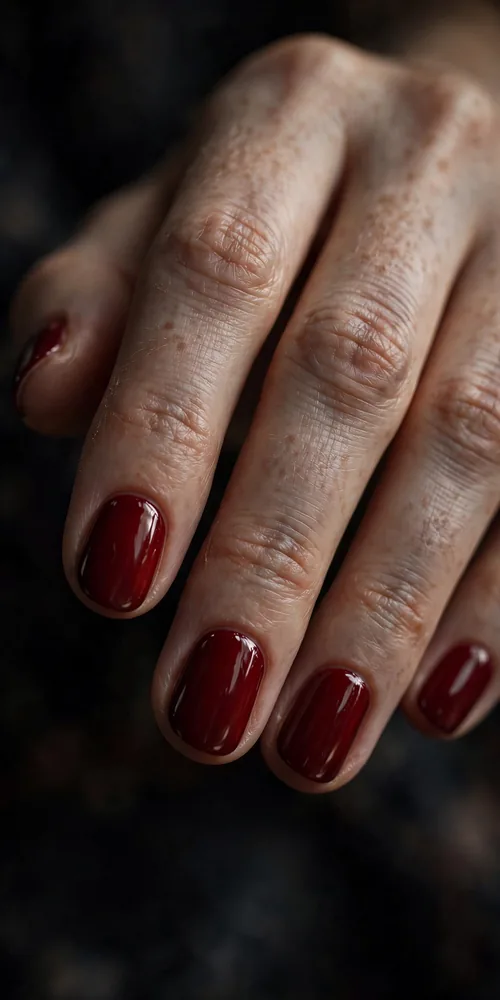
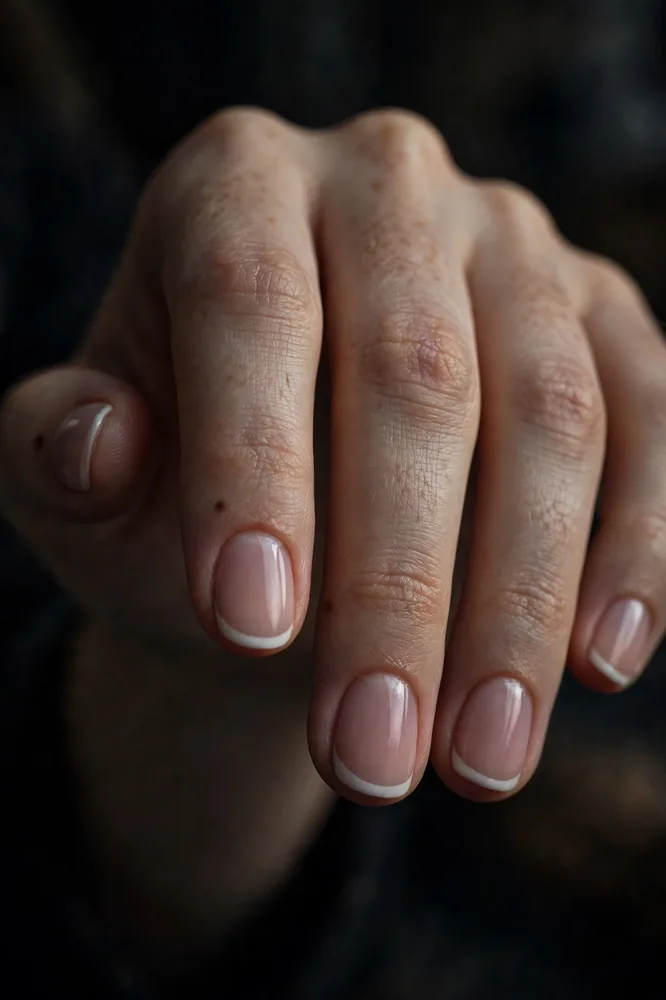
Round nails are that friend who never flakes on you. The free edge just mirrors your fingertip in a smooth crescent — no corners, no point, nothing to snag on your sweater, your keyboard, or your gym bag zipper. In a sheer nude they are peak clean-girl: your hands, but make it polished. It’s giving “I woke up like this” and honestly? That’s a flex.
Here’s why techs are obsessed: round is the most durable shape, full stop. With no narrow tip, every bump and keystroke spreads across the whole edge instead of cracking one weak spot. That’s why it’s the go-to for thin, peeling, or post-acrylic recovery nails. Typist? Nurse? Parent, barista, lifter? Round survives your real life, not just your photo dump.
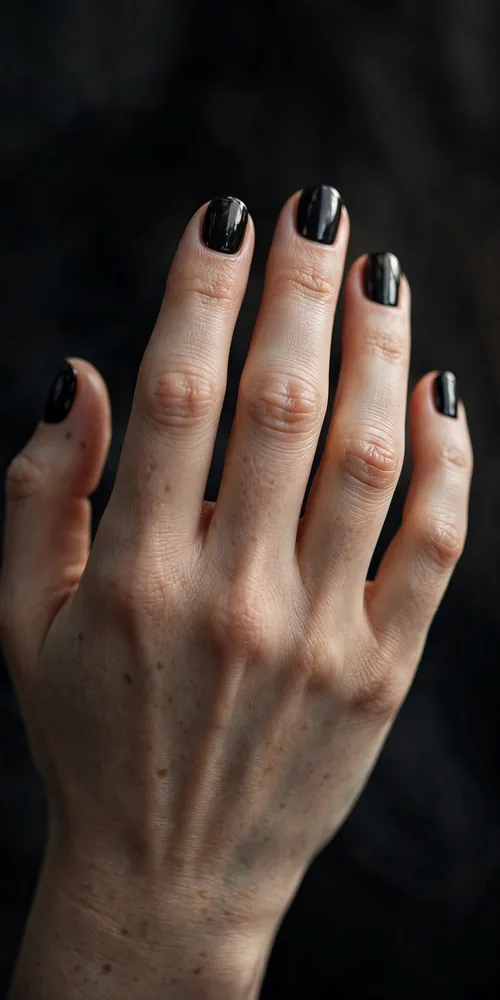
Who does it flatter most? Wide nail beds love round — it looks intentional at any width. Short nails love it because it needs zero length to work. And the finishes go hard: a deep red or high-gloss black on short round nails is lowkey one of the chicest combos of 2026. Keep it cute: file in one direction only, cap the free edge with every coat, and use cuticle oil daily.

Almond Nails: The Finger-Lengthening Fave
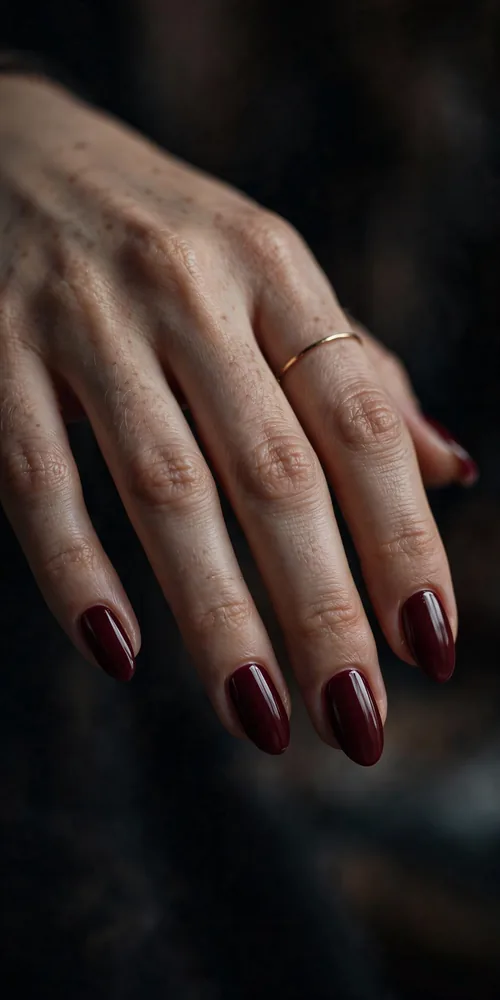
Now almond? Almond is a glow-up in shape form. The sides file inward and land in a soft, rounded point — not stiletto-scary, just elegant — and suddenly your fingers look longer, your hands look slimmer, every hand gesture is giving hand model. There’s a reason almond dominates your FYP, red carpets, and every “clean girl nails” board: the taper draws your eye straight out, so even short-ish fingers get that elongated illusion. Short fingers and wide nail beds that want to look narrower? This is your girl, according to basically every nail tech guide out there.
But let’s keep it 100 — almond is a commitment. Without roughly 3–5mm of free edge past your fingertip, filing “almond” just gives you a weird stubby point, which is why so many almond girlies build length with Gel-X, builder gel, or acrylic. That tapered tip is also the first thing to chip, because all the stress funnels into one narrow spot. Expect a fill every 2–3 weeks and daily cuticle oil so tips don’t dry and split.
The payoff? The canvas. Almond gives nail art room to breathe, and editorial finishes hit their final form here. Silver chrome looks liquid-metal expensive, tortoiseshell reads rich and autumnal, milky white is soft-luxury perfection, and deep burgundy gloss is pure date-night energy. If you treat nails like an accessory you plan outfits around, almond won’t let you down — you just have to show up for the maintenance.



7 Key Differences Between Round and Almond Nails
- The silhouette. Round follows nature — a soft arc that copies your fingertip. Almond edits nature — tapered sides, soft point. Side by side it’s instantly obvious: round is a gentle curve, almond is a teardrop with intention.
- The length requirement. This is the deal-breaker nobody warns you about. Round works at ANY length, tonight, on the nails you already have. Almond needs medium length to form properly, so if you’re short and brittle, almond means growing out first or paying for extensions. Different starting lines, bestie.
- The finger effect. Round keeps it honest — no lengthening, no shortening. Almond is flattering fiction: that inward taper visually stretches and slims your fingers. If your fingers are short or your nail beds are wide and you want that slimmer look, almond wins this round by a mile.
- Strength and breakage. Round clears, and it’s not close. No corners + no point = stress spreads evenly, so it chips least and lasts longest on weak nails. Almond files away sidewall material to get that taper, so the tip becomes a stress magnet. It can absolutely work — just add gel reinforcement and know you’re signing up for more fixes.
- Maintenance. Round grows out soft and forgiving — 3–4 weeks between gel appointments is normal and a quick home file fixes a lot. Almond’s point dulls and blurs as it grows, so you’re back in 2–3 weeks, plus daily oil. One is set-and-forget, the other is a standing date with your tech.
- The cost. Round on natural nails is the baseline price everywhere. Almond usually stacks: longer shaping time + extensions or builder gel for length + more frequent fills. Over 12 months that gap is real money — like, a whole extra set or two. Budget accordingly, queen.
- The nail art canvas. Round keeps designs cute and minimal — French tips, dots, a solid bold colour — because there’s less surface to work with, especially short. Almond’s longer, tapered canvas carries chrome, cat-eye, tortoiseshell, aura gradients and detailed art without looking crowded. Pick your shape based on the art you actually pin.
Which Shape Should You Choose?
Forget your inspo board — look at your actual hands and week.
Choose round if: your nails are short, thin, or recovering; you type all day, work healthcare, hit the gym, or just use your hands a LOT; you want a set you can forget about for a month; your nail beds are wide and you like them looking natural; or you’d rather spend your money on one killer colour — gloss black, deep red, a perfect French — than on constant fills.
Choose almond if: you already have medium length (or you’re down for Gel-X/builder gel to get it); you want that longer, slimmer finger illusion — especially clutch for short fingers and wide nail beds; you’re obsessed with chrome, milky, tortoiseshell or cat-eye finishes that need a tapered canvas to shine; and you’ll genuinely rebook every 2–3 weeks without resenting it. Almond is for the girls who plan their nails like an outfit.
Still torn? Start round and grow. You can file round INTO almond in one appointment once you have length — but almond-to-round means chopping everything off. Round now, almond later is the no-regrets path.
More Nail Ideas You’ll Love
Round vs Almond Nails FAQs
Which is stronger — round or almond nails?
Round, and it’s not even close. With no corners and no narrow point, round spreads stress evenly across the edge, so it has the lowest breakage rate of any shape — perfect for thin, weak, or recovering nails. Almond tapers away the sidewalls, so all the pressure lands on one little tip that chips and snaps first, especially on natural nails without gel or acrylic support.
Which nail shape makes fingers look longer, round or almond?
Almond, every time. The tapered sides and soft point pull the eye outward, making fingers look noticeably longer and slimmer — which is why it’s the top pick for short fingers and wide nail beds. Round just follows your natural fingertip, so your fingers look exactly as long as they are. No illusion, no filter.
Can short nails be filed into an almond shape?
Not really, bestie — almond needs about 3–5mm of free edge past your fingertip to get that tapered point. File short nails into an “almond” and you just get a stubby, accidental-looking point. Wear round while you grow them out (or add Gel-X tips for instant length), then reshape into a proper almond in one appointment.
Do almond nails cost more than round nails at the salon?
Usually, yes. The shaping itself takes longer, and most almond sets need Gel-X, builder gel, or acrylic to reach the required length — all add-ons on top of the base price. Then add the upkeep: fills every 2–3 weeks vs. 3–4 weeks for round. Over a year, almond can cost close to double, so factor that in before you commit.
Which shape is better for typing and everyday work — round or almond?
Round, 100%. Rounded edges don’t catch on keys, gloves, or anything else, so you get way fewer of those annoying micro-chips that build up day after day. That’s why round is the fave for typists, nurses, baristas, parents, and gym girlies. Almond tips snag and take direct hits when you type, so they’ll need touch-ups way sooner if your hands are busy.
Final Verdict
So, final answer in the round vs almond nails showdown? There’s no universal winner — there’s just YOUR winner. Round is the dependable icon: strongest shape, cheapest upkeep, looks expensive in a nude, a French, a deep red, or gloss black, and never interrupts your life. Almond is the glow-up shape: longer-looking fingers, a bigger art canvas, and chrome/tortoise/milky finishes at full power — if you’ll pay for the length and keep the appointments. Match the shape to the life you’re actually living rn, not just the board you’re saving. Your hands will thank you, trust.